Strategy notePublished Updated

The Battery Recycling Paradox

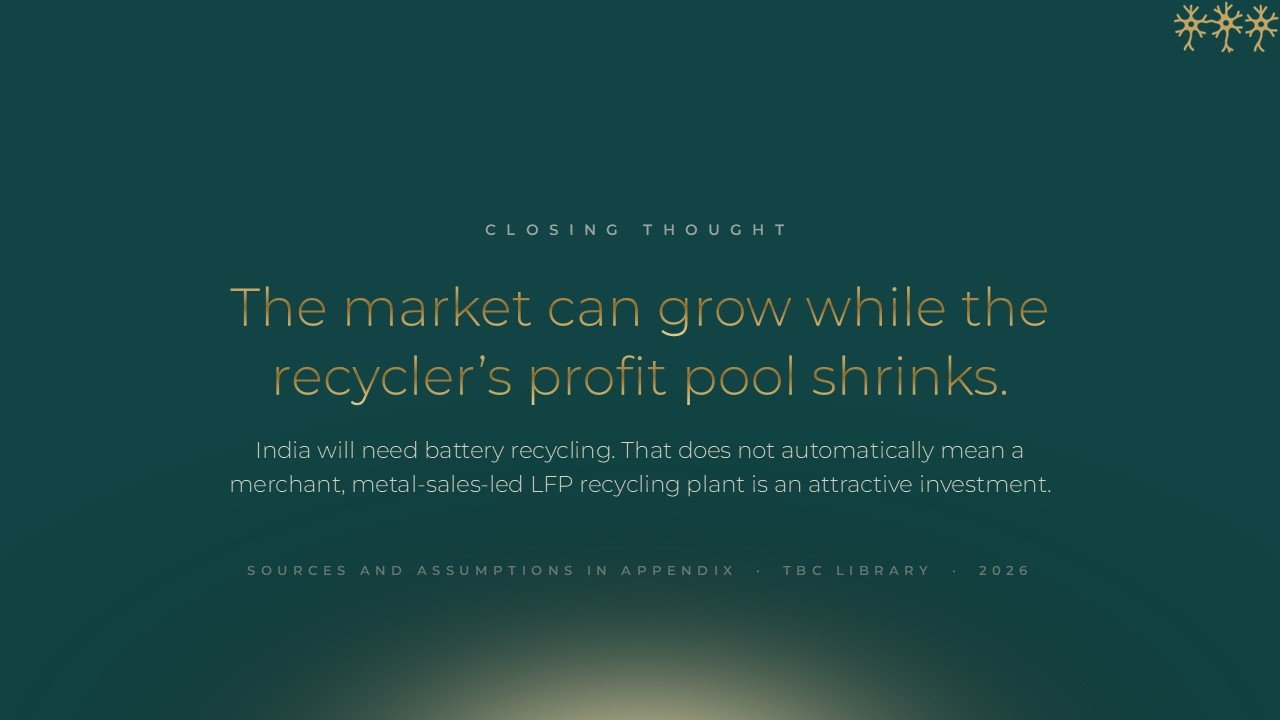
The market can grow while the recycler’s profit pool shrinks.

Visual Pages
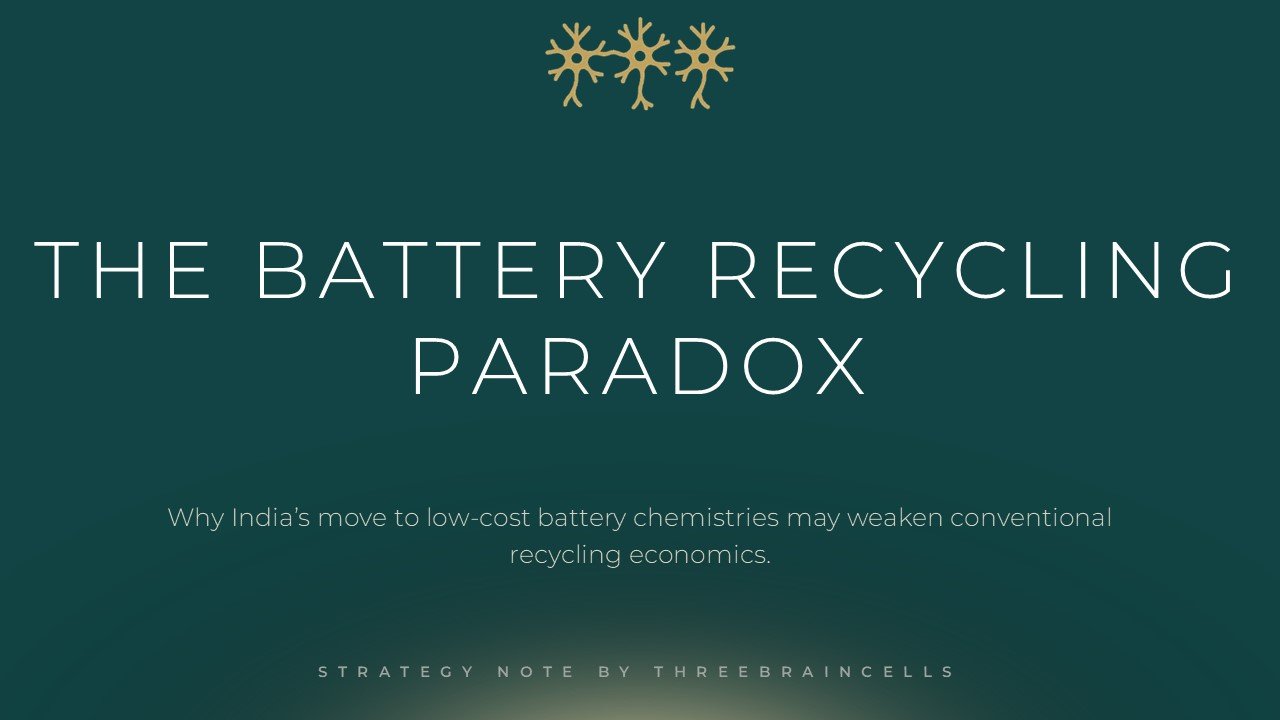
  1. Slide 1 of The Battery Recycling Paradox
  2. Slide 2 of The Battery Recycling Paradox
  3. Slide 3 of The Battery Recycling Paradox
  4. Slide 4 of The Battery Recycling Paradox
  5. Slide 5 of The Battery Recycling Paradox
  6. Slide 6 of The Battery Recycling Paradox
  7. Slide 7 of The Battery Recycling Paradox
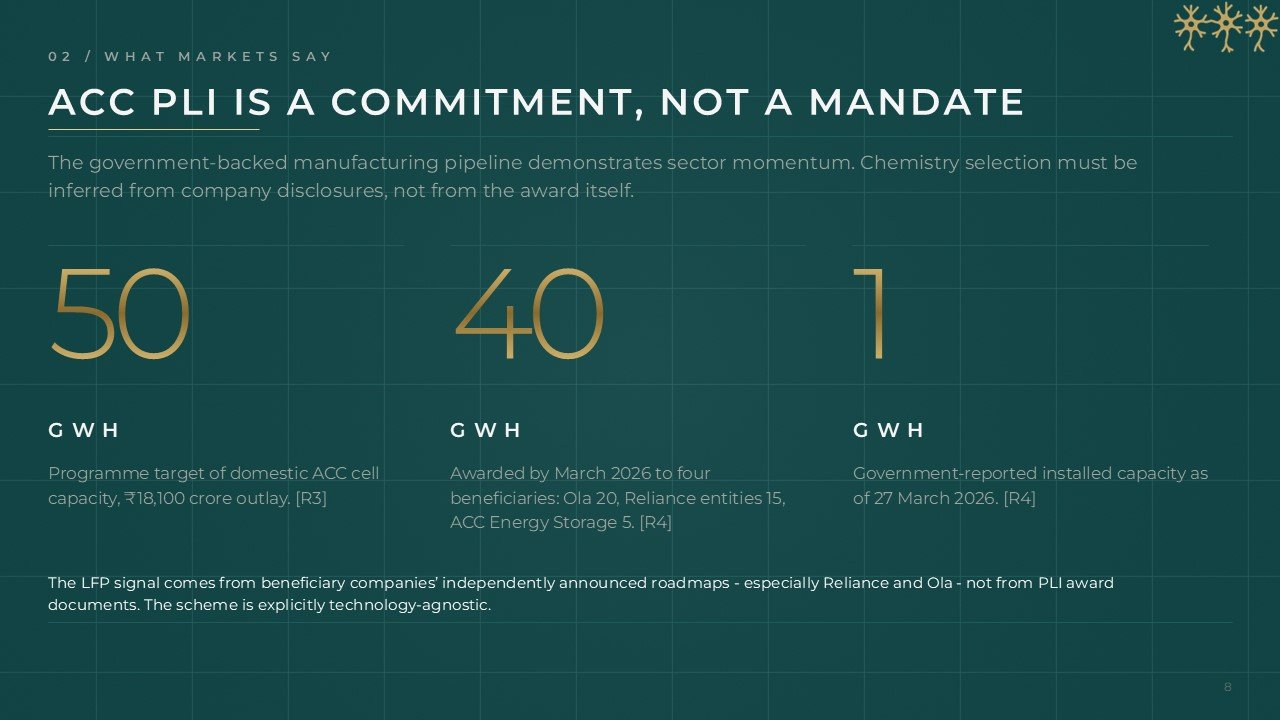
  8. Slide 8 of The Battery Recycling Paradox
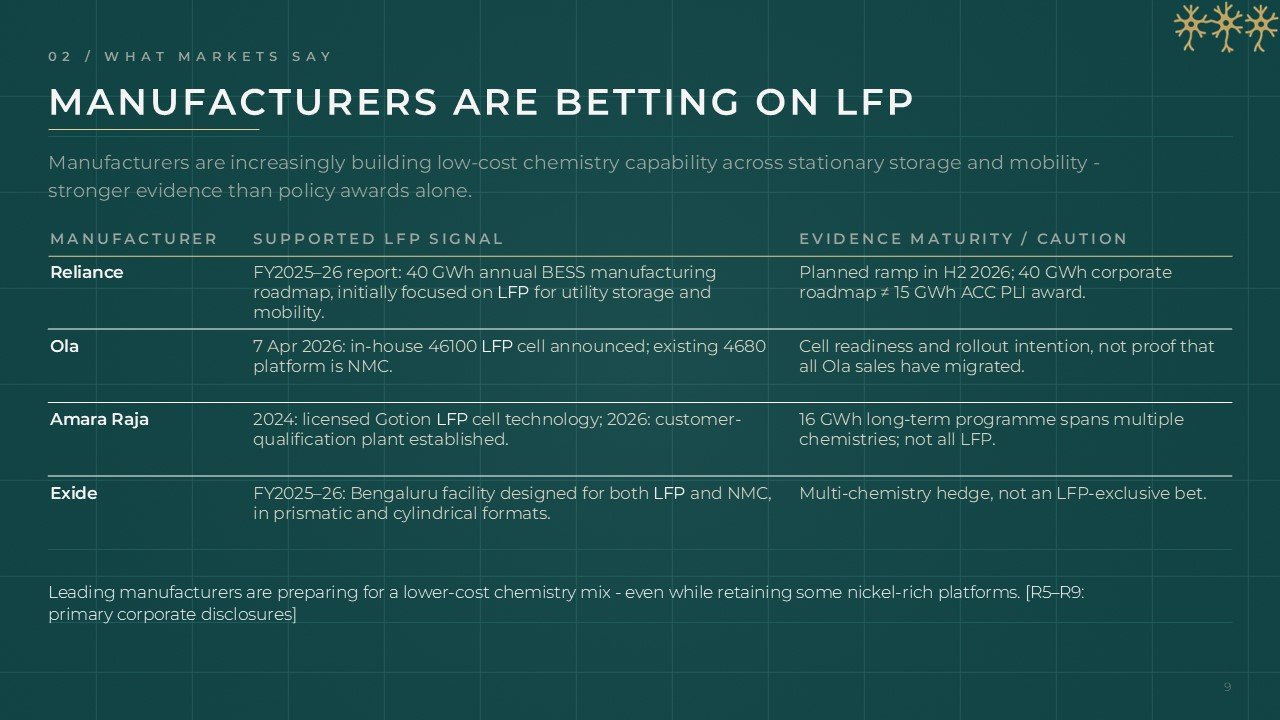
  9. Slide 9 of The Battery Recycling Paradox
  10. Slide 10 of The Battery Recycling Paradox
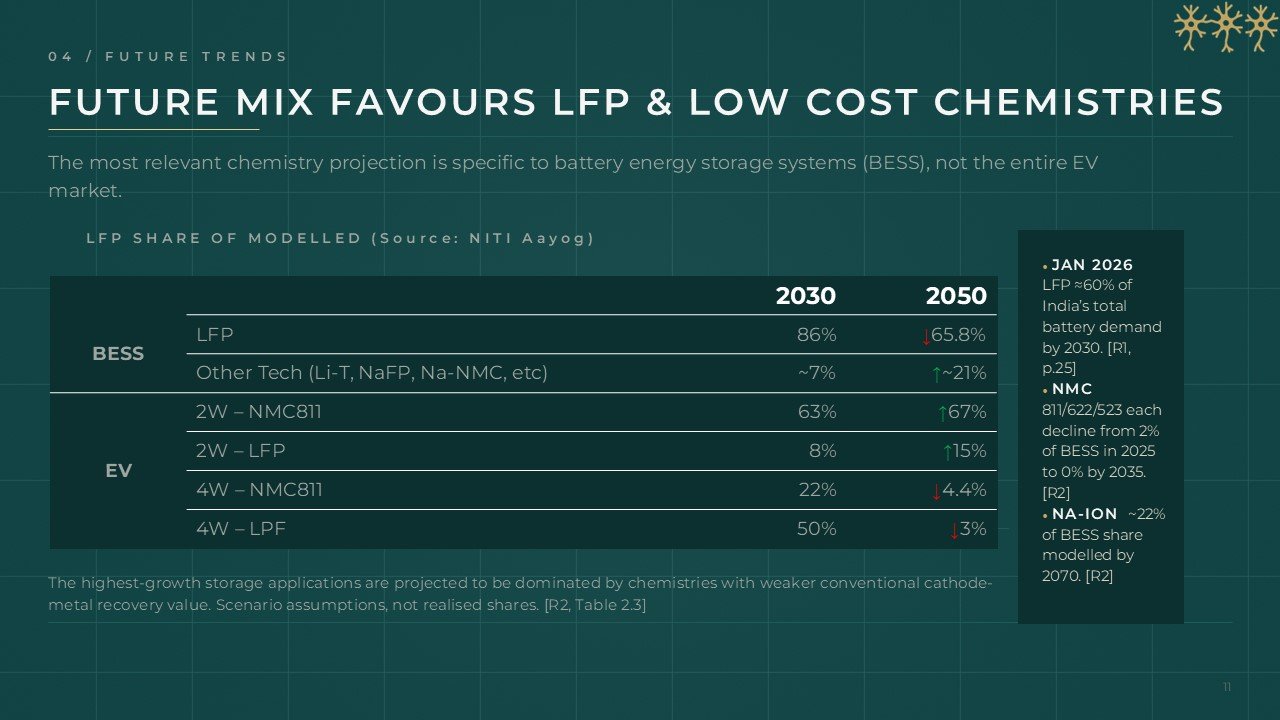
  11. Slide 11 of The Battery Recycling Paradox
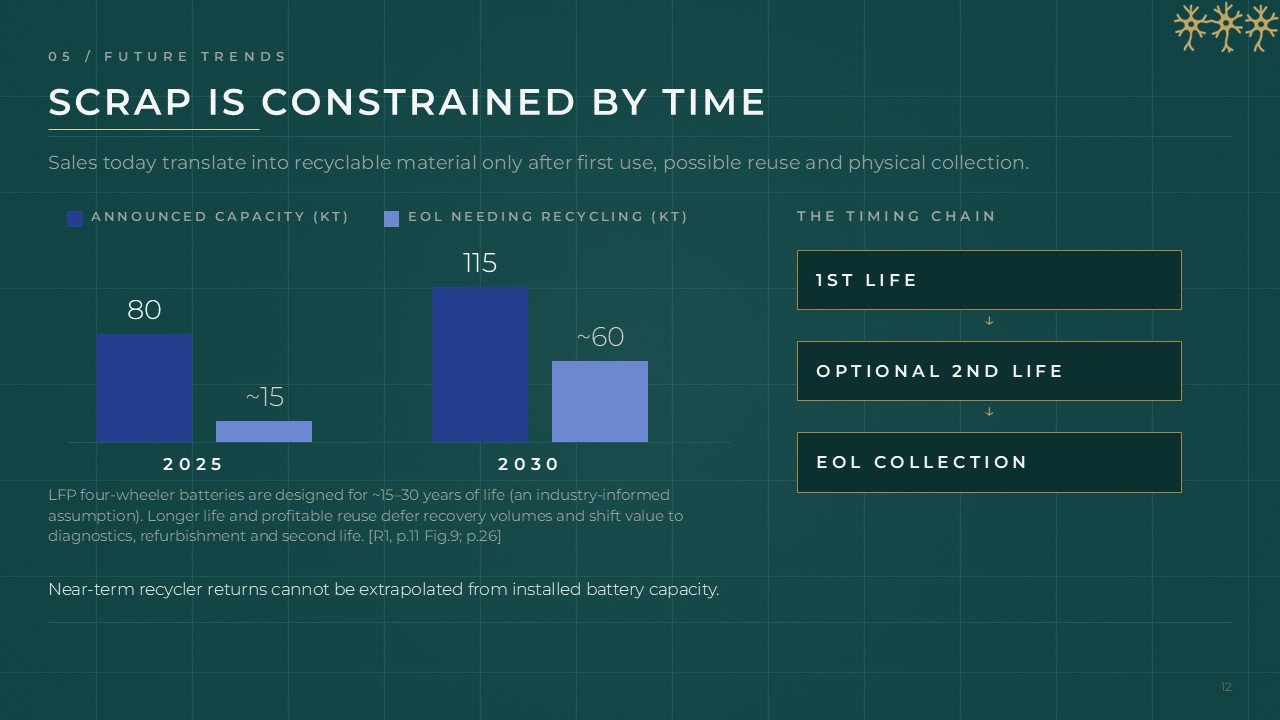
  12. Slide 12 of The Battery Recycling Paradox
  13. Slide 13 of The Battery Recycling Paradox
  14. Slide 14 of The Battery Recycling Paradox
  15. Slide 15 of The Battery Recycling Paradox
  16. Slide 16 of The Battery Recycling Paradox
  17. Slide 17 of The Battery Recycling Paradox
  18. Slide 18 of The Battery Recycling Paradox
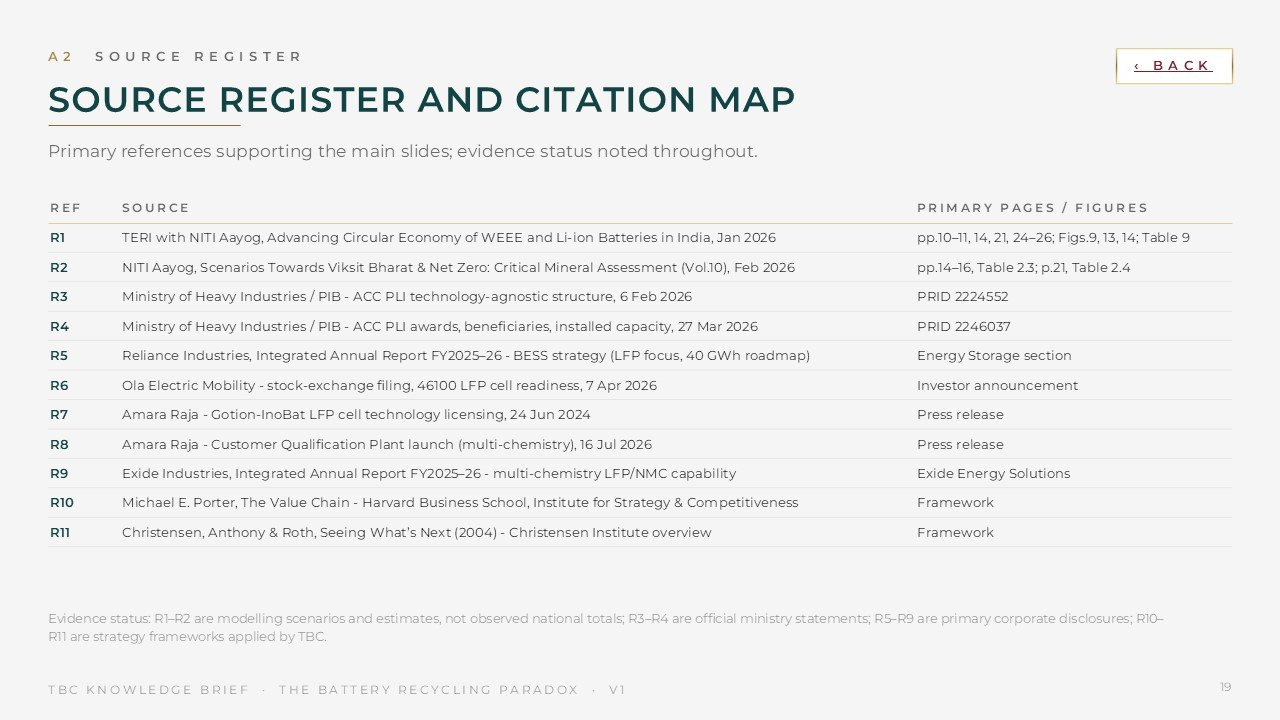
  19. Slide 19 of The Battery Recycling Paradox
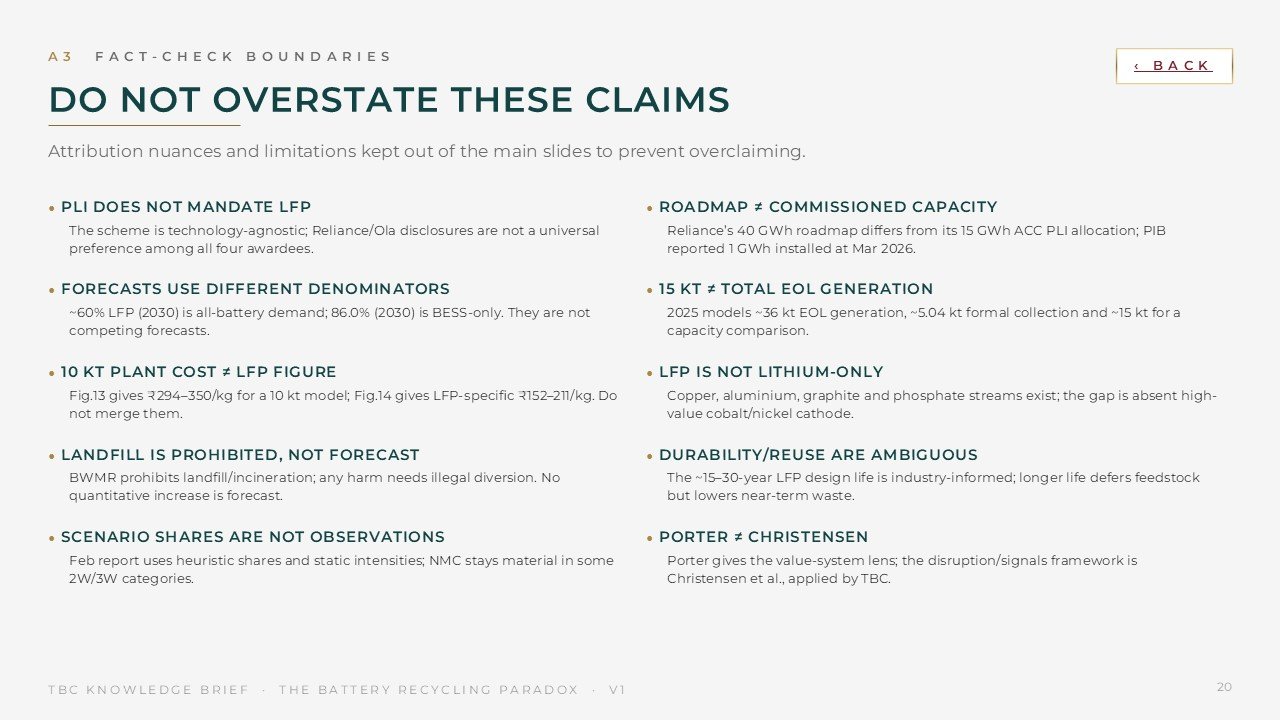
  20. Slide 20 of The Battery Recycling Paradox
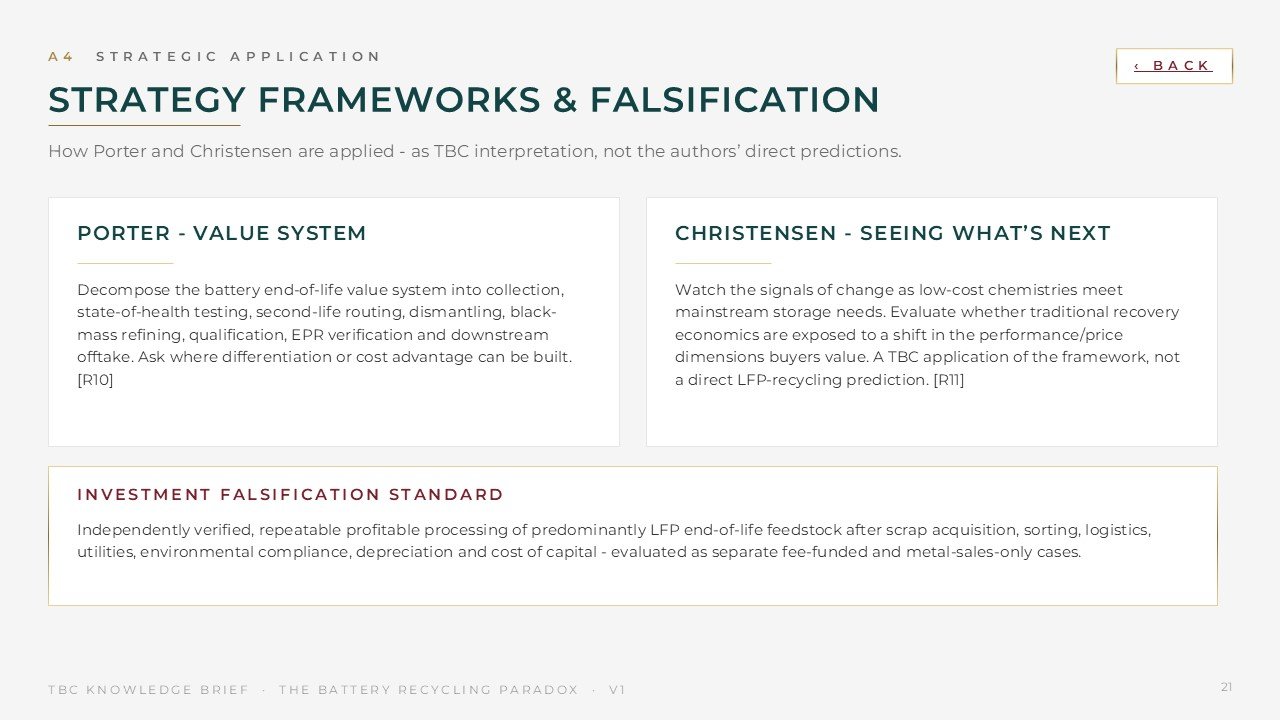
  21. Slide 21 of The Battery Recycling Paradox
01 / 21

Focus the page and use the left and right arrow keys, or swipe.

Summary

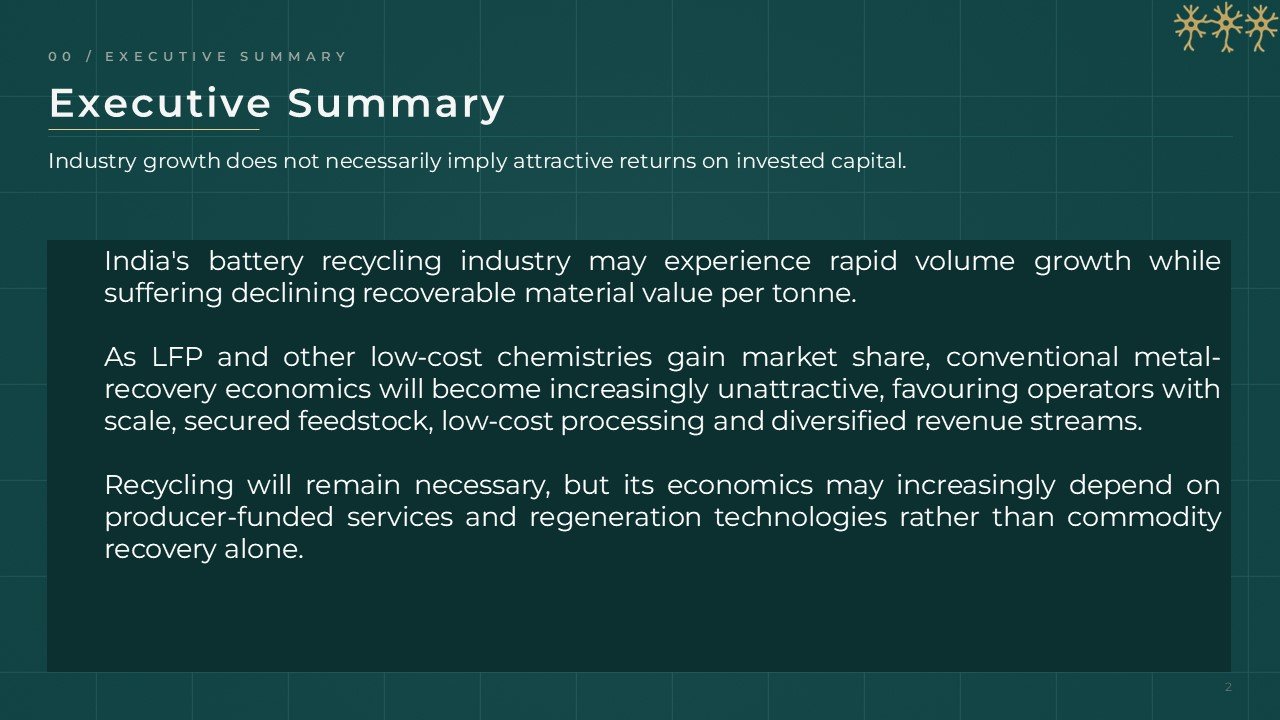
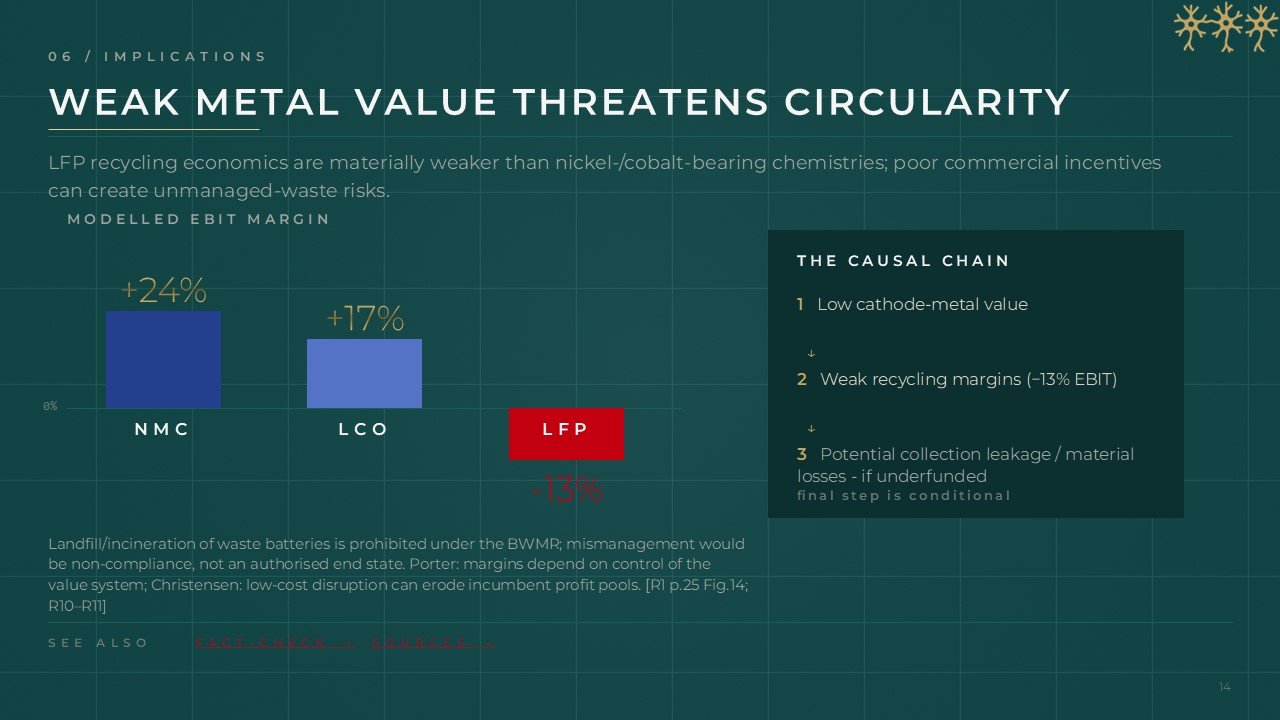
India’s battery recycling industry may experience rapid volume growth while suffering declining recoverable material value per tonne.

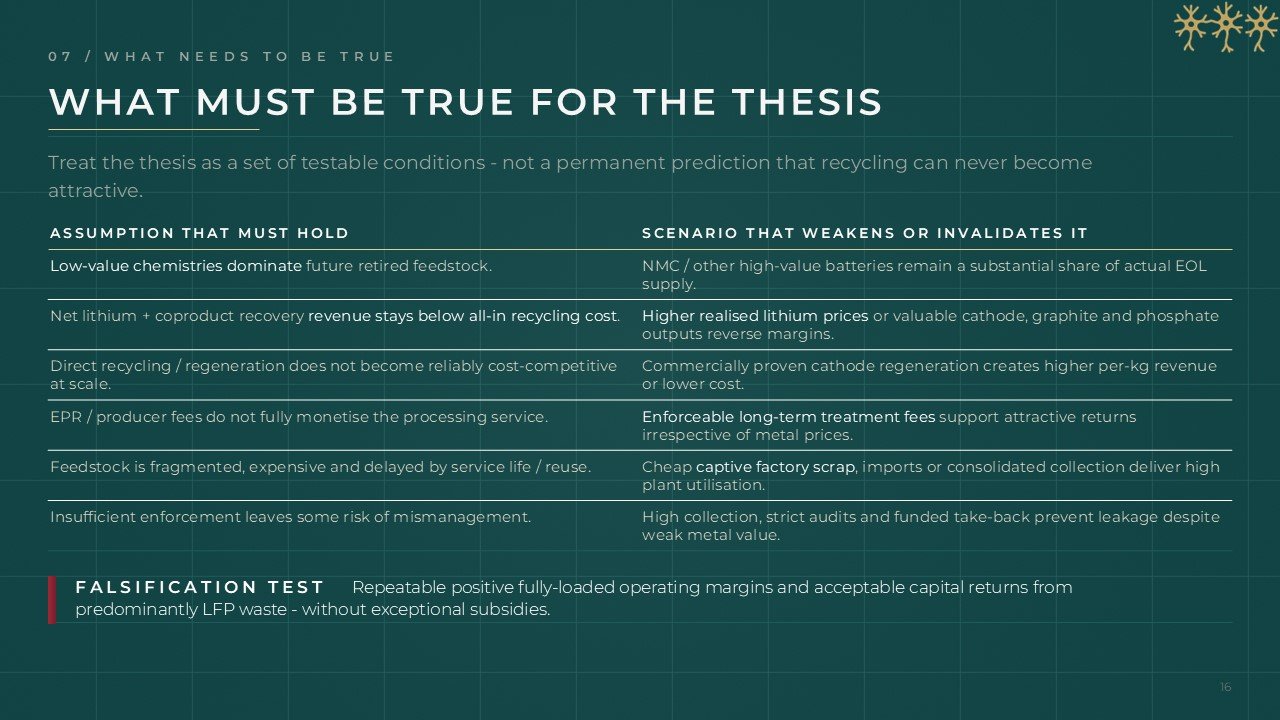
As LFP and other low-cost chemistries gain market share, conventional metal-recovery economics will become increasingly unattractive, favouring operators with scale, secured feedstock, low-cost processing and diversified revenue streams.

Recycling will remain necessary, but its economics may increasingly depend on producer-funded services and regeneration technologies rather than commodity recovery alone.

Back to Circular Economy